When he brought back two handfuls of maple leaves, Mom would neatly place the prettiest ones right next to the handle of every door, one on either side, and paste sheets of mulberry paper over them. The leaves decorated the spot where extra sheets of paper were layered to prevent tearing, right where people touched the door to open and close it. On his door, Mom put three more leaves than on the others, spreading the five leaves like flowers, pressing them carefully with her palms, and asking, “Do you like them?”
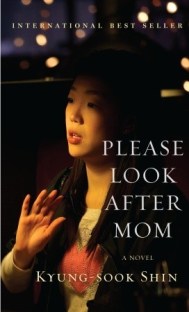 A 69-year old woman gets lost in Seoul and her family is desperately looking for her. The book starts after a week of searching without any results. The woman, So-Nyo, was visiting her children in Seoul with her husband and they got separated while boarding the subway, he boarded, she stayed at Seoul central station. Soon after, we understand that So-Nyo doesn’t know how to read and that she’s suffering from dementia, a disease her family has done its best not to acknowledge. The book portrays how the family members deal with the disappearance of their mother and wife, where guilt and regret start to play a role. All of them feel they could have done something different in their lives that would’ve changed the destiny of So-Nyo. Now, looking for their Mom is going to change their lives forever.
The story is mostly told through memories — the disappearance triggers long time forgotten recollections in each member of the family and takes us to rural South Korea, the war, to the seventies, and then to Seoul. But the story is not about the big events and transitions that the country was going through, it’s about how these changes affected the domestic and the life of individuals.
Shin writes an outstanding book, both in content and narrative technique. One of the most interesting features, and what makes this book really unique, is how she plays with the narrator’s point of view -half of the book is narrated in second person- depending on what she wants the characters to portray and their closeness to the mother.
The description of simple things, like food or domestic chores, is beautiful and intimate. I also loved reading about the roles within the family; the role of women and elders, the wife-husband relationship and the importance of the first-born child, and how some of these roles were deeply affected by the growth of the country while others remained intact. But, beyond the changing of Korean traditions and costumes, I found some universal themes, like how domestic labor is unrewarded most of the time and how mothers’ and wives’ sacrifices are generally invisible. But also, how familial love resides in the little details and in what seems like irrelevant moments of life, regardless of when or where you are.
About Kyung-Sook Shin
Shin was born in a small town in the southern part of South Korean. In 2012 she became the South Korean and first woman to win the Man Asian Literary Prize for “Please Look After Mom”. Shin belongs to the group of female writers from the so-called 386 Generation, a generation that played a pivotal role in the democratic protests which forced President Chun Doo-hwan to call democratic elections in 1987, marking the transition from military rule to democracy.
Other books written by South Korean women we recommend:
We just recommend books we’ve read!
- Pachinko – Min Jin Lee (Read by Ceci)
South Korean initiatives and projects that support and empower girls and women
Doing Café
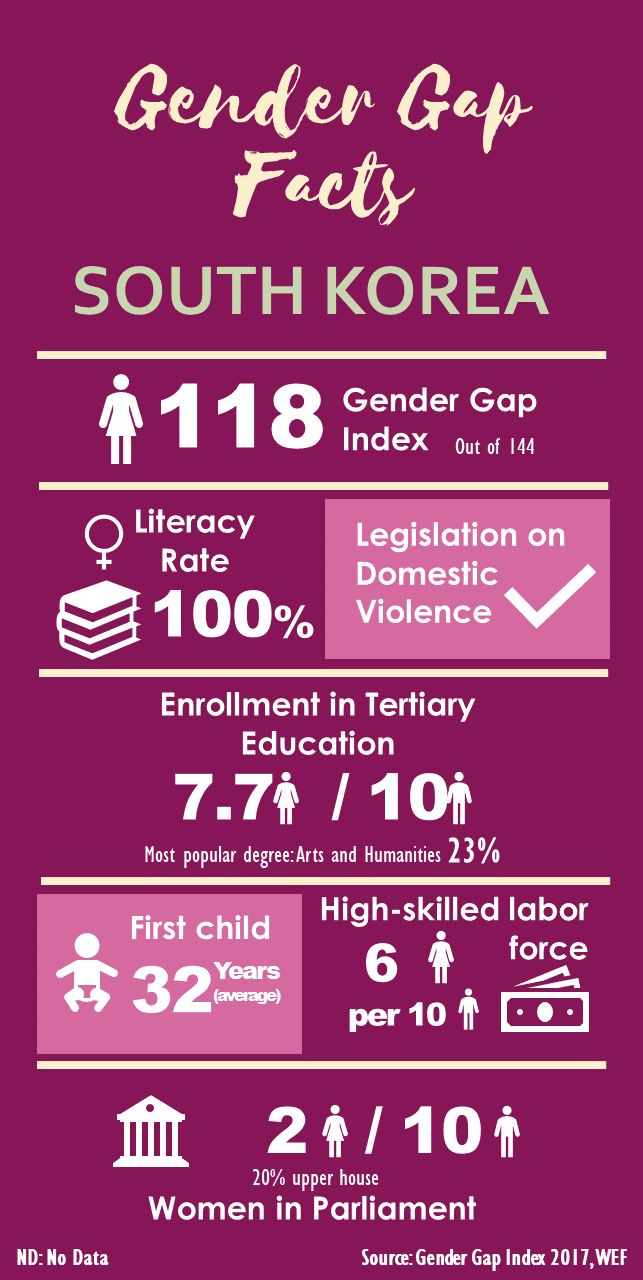 Doing Café is considered the “Cultural Home of Feminism” in South Korea. The space is located in Gangnam, Seoul, and there, women (and supporting men) can engage in conversations and discussions that lead to a better understanding and broader adoption of feminist attitudes in the country. Besides the café, the venue has a feminist library and holds multiple art exhibitions, guest lectures, social gatherings and one-on-one counseling.
 The Map of Fiction by Women